
People have been using plant-based remedies for at least 5,000 years. Essential oils, which are a concentrated form of the beneficial compounds in plants, have been part of Ayurvedic and Chinese medicine for nearly as long.
Advocates of alternative medicine insist that essential oils can be safe and effective for treating a wide range of conditions and also as a natural means of promoting wellness.
Benefits of essential oils are thought to include:
- Anti-anxiety, mood elevating, and stress-busting properties
- Immune stimulation
- Reduction in oxidative stress
- Cholesterol and blood glucose lowering effects
- Tumor-inhibiting properties
- Antiviral and antibacterial agents
- Detoxifying qualities
- Boosts the metabolism (and weight loss)
- Anti-inflammatory properties
Scientific studies, in fact, do support many of these claims. But are essential oils safe and effective? Are they better than conventional pharmaceutical medications? And how exactly do they work, particularly for common conditions like arthritis and muscle pain? To answer these questions, let’s look at the big picture behind plant-based medicine and essential oils. Then, let’s examine 10 of the best essential oils for alleviating arthritis and muscle pain.
How plant-based remedies and essential oils work
Nature is suffused with a remarkable intelligence. Through the course of millions of years, plants have developed sophisticated defense mechanisms for warding off predators like insects and deer. These protective measures include compounds that produce unpleasant side effects in the bugs and herbivores that try to munch on a plant’s leaves. A classic example is caffeine (manufactured by the coffee plant), which has a toxic effect on pests.
But the same chemicals that are repellent to insects can be attractive to humans. For example, for thousands of years people have been drawn to caffeine for its psychoactive properties. Yes, you heard that right, caffeine is technically considered a mind-altering substance because it can improve focus, enhance creativity, and stimulate cognition. It can also counteract oxidative stress, inhibit inflammation, and bolster cardiac health. Coffee is a clear example that plants have medicinal properties.
Coffee is hardly the only plant with hugely beneficial properties. Ancient healers have been using ginger, peppercorns, basil, peppermint, cannabis, and countless other botanical species for as long as anyone can remember to treat diseases.
Practitioners of Ayurvedic medicine and Chinese herbalists have employed spices, extracts, tinctures and essential oils to remedy arthritis, digestive issues, headaches, insect bites, respiratory distress, and just about every medical issue under the sun. Far from being superstitious nonsense, modern research can now confirm that many of these ancient folkloric remedies have a great deal of medical merit.
What are essential oils?
Plants are loaded with beneficial compounds, but these may be located in the bark, flowers, resin, roots, or other parts of the vegetative material. Separating the active ingredients from the actual plant material (through a process of distillation) can make a great deal of sense. After all, using a concentrated oil with antibacterial properties to dress a wound will make a lot more sense than rubbing the injury with a root.
Essential oils can deliver powerful concentrations of healing compounds in multiple ways. For example, their vapors can be inhaled, they can be applied topically, they can be taken in sublingual form under the tongue, or drops can be added to food or beverages.
This versatility is particularly welcome when it comes to conditions like arthritis, joint inflammation, and muscle pain. For instance, there are several ways essential oils can be employed to treat symptoms associated with rheumatism and muscle soreness:
- Self-massage: Essential oils can be applied topically to the skin. Frequently, this involves the use of a carrier oil in conjunction with an essential oil. Carrier oils help dilute essential oils, which might otherwise cause skin irritations because the essential oils are so potent.
- Bath soak: A few drops of essential oils can be added to a warm bath (often along with Epsom salt) for analgesic, anti-inflammatory and muscle relaxing effects.
- Cold and hot presses: Face cloths and ice packs can be dipped in water containing several drops of an essential oil.
- Aromatherapy: Vapors from essential oils can be inhaled.
- Oral ingestion: Some essential oils can be added to foods, beverages, or dissolved under the tongue.
Here are the top ten essential oils for arthritis and muscle pain:
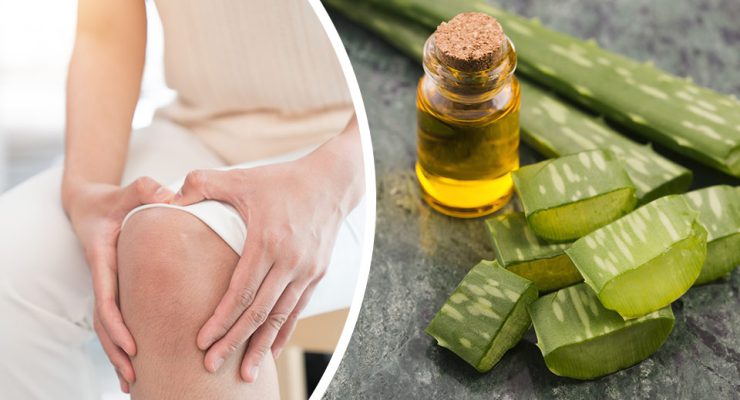
1. Aloe vera oil
The aloe vera plant contains glucosamine and beneficial enzymes that can help nourish the joints. Applied topically it can provide immediate soothing relief since compounds in the plant also have analgesic properties.
2. Peppermint oil
The peppermint plant contains several ingredients, particularly methanol and limonene, that reduce pain, inflammation, and stiffness.
3. Eucalyptus oil
Many conventional over-the-counter joint creams and lotions already have eucalyptus as an active ingredient. A 2014 study found that aromatherapy using eucalyptus oil helped alleviate pain and inflammation in patients who had a total knee replacement procedure.
4. Ginger oil
The Arthritis Foundation cites a study by Miami University, which reports than ginger extracts are so effective in reducing inflammation and stiffness that they could be a viable replacement for NSAIDs.
5. Lavender oil
According to Julie Chen, an integrative physician, “Certain scents activate smell receptors in the nose, which triggers a reaction in the nervous system,” leading to the release of “feel good” neurotransmitters like dopamine. Aromatherapy blends using lavender seem to be especially effective for reducing pain and inflammation.
6. Yarrow oil
Yarrow oil improves circulation and helps prevent the buildup of uric acid in the muscles and joints.
7. Vetiver oil
This essential oil is little known in the West, but it has been a staple of Ayurvedic medicine for centuries. The vetiver plant is botanically related to lemongrass and is loaded with anti-inflammatory compounds. Applied topically, it cools the skin and provides immediate soothing relief
8. Rosemary oil
Animal studies suggest that a compound in rosemary oil (called rosmarinic acid) may inhibit the progression of arthritis.
9. CBD oil
CBD is a compound found in both hemp and cannabis. It is non-psychoactive but has powerful anti-inflammatory and analgesic effects. Several recent studies suggest that CBD has the potential to treat joint pain associated with arthritis.
10. Frankincense oil
According to the Arthritis Foundation, boswellic acid, the active ingredient in frankincense, has powerful anti-inflammatory and analgesic effects, which specifically target the cartilage damage and immune dysfunction that underlie rheumatoid arthritis.
Tap into the healing power of nature
It is increasingly clear that NSAIDs, the conventional medications used to treat arthritis, joint pain and muscle soreness, have adverse side effects when used for prolonged periods. They also do not address the root causes of a disease. In contrast, essential oils work by tapping and augmenting the healing power of nature. In terms of prevention and disease management, there is a growing body of evidence that they are the wisest front-line choice.
— Scott O’Reilly