
The glycemic index refers to how quickly a food turns into sugar in the blood once it is eaten. Junk foods normally have a very high glycemic index rating, meaning that they break down into sugar very quickly within the bloodstream.
Although we need sugar for energy, the problem with high glycemic index foods is the sugar comes like a tidal wave into the blood, flooding the body rapidly.
As soon as the body senses the rush of sugar it releases insulin to help take the sugar and move it around to different parts of the body so it can be used. Any excess sugar that can not be used is stored as fat.
Low glycemic foods release sugar slowly into the blood so your body can use the sugar for energy and not store it as fat. You will be satisfied for a long time because you get a slow and steady flow of energy.
For anyone interested in long term health, certain foods can greatly improve health and stabilize blood sugar. Here are some essentials to keep well-stocked in your kitchen:
Leafy greens and other non-starchy vegetables
The American Diabetes Association (ADA) encourages eating as many non-starchy vegetables as desired each day; a minimum of 3 to 5 servings is emphasized, but they encourage eating many more.
These veggies, which along with leafy greens include artichokes, broccoli, brussels sprouts, cauliflower, celery, eggplant, peppers, mushrooms and squash, are filled with vitamins, minerals and antioxidants, and have little impact on blood sugar.
Note that vegetables such as potatoes, peas and corn are considered starchy vegetables, and therefore are not included in this recommendation.
Foods rich in omega-3 fatty acids
Omega-3 fatty acids, found in foods including fatty fish like wild salmon, herring and sardines, as well as flax seeds and avocados, work to slow the absorption of carbohydrates by the body, contributing to stable blood sugar levels. They are also important in helping to reduce the risk of heart disease, which is higher for individuals who have type 2 diabetes.
According to the Mayo Clinic, eating two servings of fatty fish per week may reduce the risk of dying of a heart attack by at least a third.
Beans
Beans are a great source of protein and soluble fiber, can be the star of many dishes, and raise blood sugar levels slowly and steadily. They are considered by many to be a healthy comfort food, and are great at staving off hunger.
Additionally, they promote healthy and regular digestion, and are rich in vitamins and minerals, including magnesium and potassium. With so many different varieties, including lima, red, black, pinto and kidney beans, to name only a handful, there is a bean for every taste.
Avocados
Avocados have a low glycemic index, and are high in fiber, making them important in blood sugar regulation. They are also chock-full of nutrients, including vitamins B5, B6, C and K, and are very beneficial to cardiovascular health.
Some research has associated monounsaturated fats, such as those found in avocados, with improved insulin sensitivity. An extremely versatile food, avocados can be added to a wide array of meals and snacks.
If you want to avoid the quick-browning factor, simply squeeze a bit of fresh lemon juice on your avocado immediately after you slice it, and it will stay green much longer.
Magnesium-Laden Foods
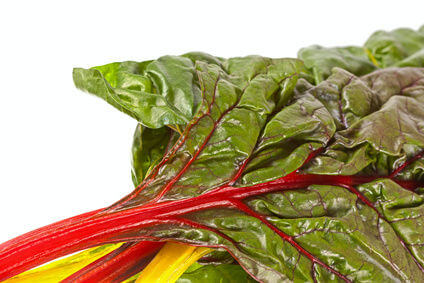
Magnesium is a mineral that is strongly associated with the optimal metabolism of carbohydrates. A diet high in magnesium has also been linked to lower rates of developing diabetes. A few foods that are high in magnesium content include spinach, Swiss chard and almonds.
 For maximum nutrition, always choose organic whenever possible. Also, although it nearly goes without saying, avoid processed foods like the plague, because even if they contain healthy ingredients, they often include hidden sugars under a variety of different chemical names.
Note: If you are diabetic and have questions about how a particular food may affect you, talk to your doctor or naturopath – better safe than sorry.
-The Alternative Daily
Sources:
http://www.joybauer.com/photo-gallery/best-foods-for-type-2-diabetes/Nonstarchy-Vegetables.aspx
http://www.mayoclinic.com/health/omega-3/HB00087
http://www.diabetes.org/food-and-fitness/food/what-can-i-eat/non-starchy-vegetables.html
http://www.joybauer.com/food-articles/beans-and-legumes.aspx
http://www.whfoods.com/genpage.php?tname=foodspice&dbid=5