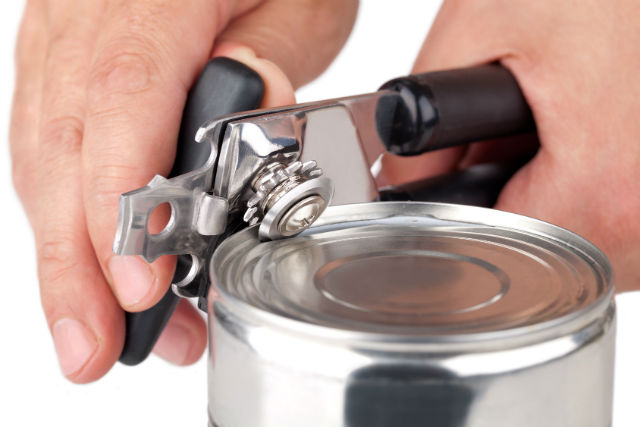
We all know it is healthy to eat more fruits and vegetables, but does it really matter if we prepare them from fresh produce, or cook them from a can? As it turns out, it does. While there are some benefits to canned foods – more in home-canned foods than their manufactured counterparts – there are some dangers, as well.
Pros
With so many Americans sorely lacking in fruit and vegetable intake, canned versions of these foods are better than no fruits and veggies at all. While some of the nutrients become depleted through the canning process, much goodness still remains.
Canned foods are convenient. After a busy workday, instead of preparing fresh vegetables, opening up a few cans to toss into dinner is an attractive option. However, it is this attitude of convenience and rushing through cooking that is creating much of the health problems prevalent in this country.
Canned foods have a long shelf life. Home canned items can last for about a year and a half, while some manufactured canned items can last up to five years on the shelf. This means you can stock up on these items and not worry about them going bad, which is especially beneficial in times of power outage or other emergencies.
For those on a tight budget, the low cost of canned foods can allow you to stock up on a variety of fruits and vegetables which may cost more to buy fresh.
When canning foods at home, you can avoid the additives and preservatives that often appear in commercially-canned produce.
Cons
Manufactured canned products are often doused with refined sugar, refined salt and preservatives. These additives can negate much of the original nutrition of the food. One class of preservatives often used in canning vegetables is sulfites. These include sulfur dioxide, sodium sulfite and potassium bisulfite.
Some people may experience reactions to sulfites, which may be severe. If you find yourself having breathing problems within about half an hour after eating canned foods, seek immediate medical attention.
Many cans are lined with bisphenol-A (BPA), despite the growing knowledge of this industrial chemical’s toxic effects over recent years. BPA exposure is linked to hormonal disruption, and may pave the way for infertility, breast cancer and prostate cancer. It is also linked to obesity, heart disease, diabetes and neurological complications, such as ADHD in children.
If you see a label that claims a product or container is BPA-free, this does not necessarily mean it is safe. Some manufacturers have been subsituting it with other chemical compounds, such as bisphenol-S (BPS), which has been found to be very similar in structure and may lead to many of the same dangers . Some cans used for home canning may also contain either BPA or BPS.
When food is improperly canned, it can lead to the growth of Clostridium botulinum bacteria, which leads to botulism, a form of food poisoning that can cause paralysis and even death if not quickly dealt with. Home canners are especially at risk of this bacteria, if they do not follow canning procedures stringently. Never eat from a can that is dented, leaking, rusted or bulging. If the food inside smells off, toss it out.
This one is obvious: canned foods taste… canned. A canned product can never match the flavor of its fresh counterpart.
For a healthier, tastier, cost-effective alternative to canning, we suggest purchasing fresh fruits and vegetables in bulk, and freezing them. Obtain your produce from the farmer’s market during the peak of its season (or from your local grocery store if this is not an option), keeping in mind that organic is always best.
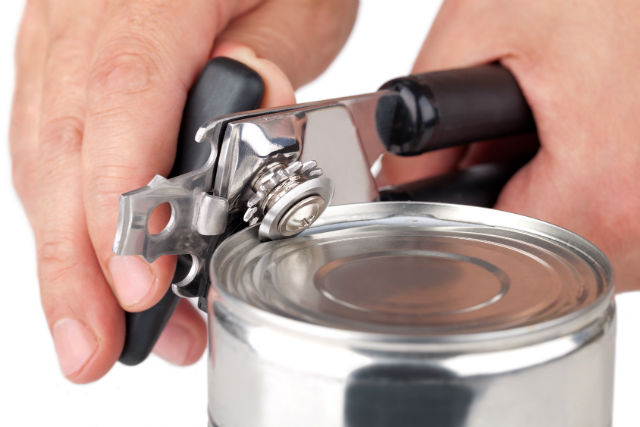 Chop vegetables and blanch in salted, boiling water, allow to cool, and freeze in glass mason jars, making sure not to overfill the jar. These will keep for several months in the freezer. To freeze fruits, such as apples, chop raw fruits and squeeze on a little fresh lemon juice to prevent browning. Berries also keep their freshness and nutrients well when frozen.
To enjoy nutritious, quick meals on a busy week when you do not have time to cook, a great method is to cook in bulk one day a week, and freeze cooked meals for later use. Make sure to label and date everything you freeze.
-The Alternative Daily
Sources:
http://www.healwithfood.org/safety-concerns/pros-cons-canned-vegetables.php
http://www.fitday.com/fitness-articles/nutrition/healthy-eating/3-reasons-to-avoid-canned-vegetables.html#b
http://www.womenshealthmag.com/health/bpa-side-effects
http://www.thealternativedaily.com/think-bpa-free-products-are-safe-bps-just-as-dangerous
http://www.thealternativedaily.com/does-canning-scare-you-try-freezing-instead
http://lifeyourway.net/how-to-freeze-food-in-glass-jars